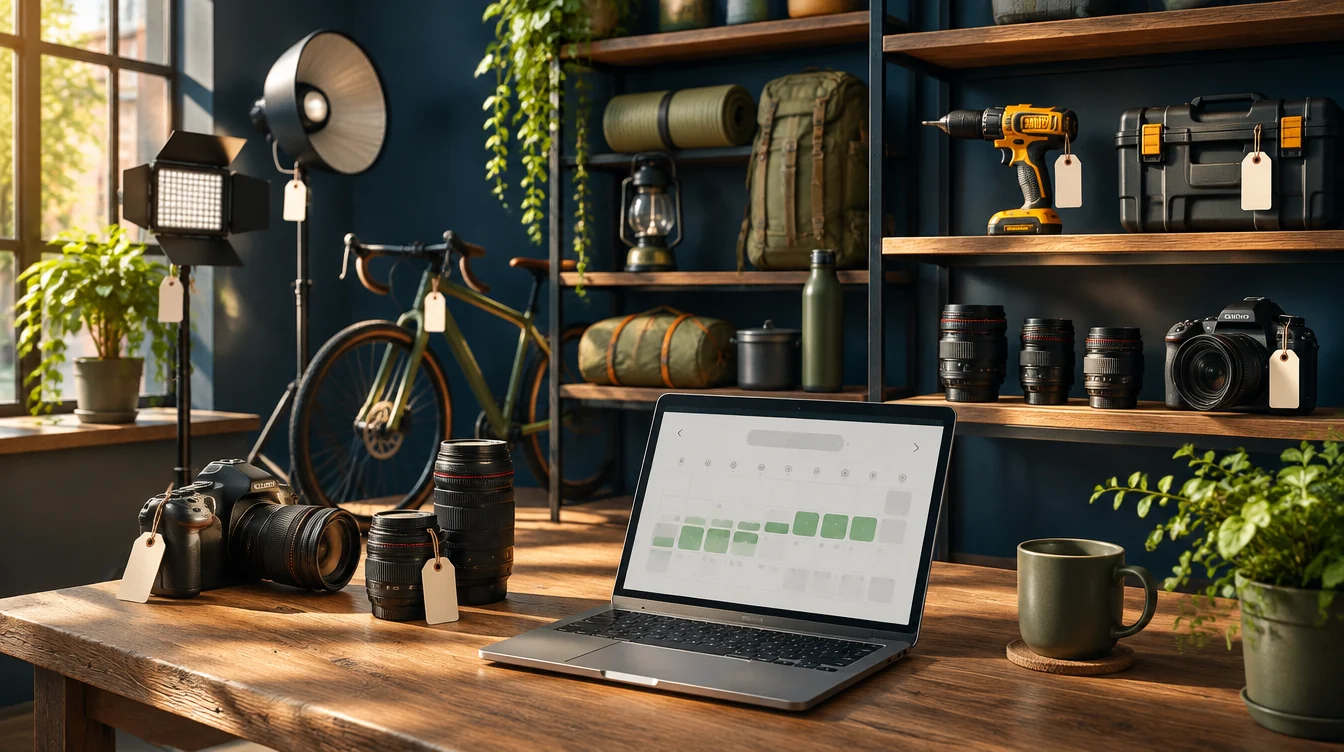
Ecommerce has transformed how people buy. The next shift is changing how people access things without buying at all. Across Europe and beyond, rental is moving online: tools, cameras, bikes, baby gear, event equipment, outdoor kit and even fashion. Customers browse, compare and book rentals with the same ease they expect from online shopping.
For ecommerce entrepreneurs and existing rental businesses, this creates new opportunities. This article explores how rental ecommerce works, the main business models and what it takes to succeed.
From Ownership to Access
Several forces are driving the shift towards renting:
- Cost: many items are expensive and used only occasionally.
- Space: urban living leaves little room for storage.
- Sustainability: consumers increasingly prefer sharing over buying new.
- Convenience: online booking and delivery make renting easy.
- Experience: renting lets people try premium products without commitment.
Main Business Models in Rental Ecommerce
Single-business rental store
A rental company sells access to its own inventory through an online store. Customers browse equipment, check availability, book and pay online.
Rental marketplace
A platform connects many rental providers with customers, taking a commission on each booking. The marketplace focuses on discovery, trust and payments, while providers manage inventory.
Peer-to-peer rental
Individuals rent items to each other through a platform. This model works well for items like tools, cameras and camping gear.
Subscription rental
Customers pay a monthly fee for ongoing access to products, such as furniture, electronics or fashion.
Hybrid retail and rental
Retailers offer both purchase and rental options, often with rent-to-own pathways.
Choosing the Right Model
Each model has trade-offs in capital requirements, operational complexity and margins. This overview of e-commerce and business is a helpful starting point for thinking about how different ecommerce models create value and where rental fits.
What Makes Rental Ecommerce Different
Rental ecommerce is more complex than selling products online:
- Date-based availability: inventory changes based on booking dates.
- Returns are the norm: every item comes back and must be inspected.
- Deposits and damage: payments include holds and potential charges.
- Logistics: delivery and collection must be scheduled.
- Asset lifecycle: items are rented many times before retirement.
Standard ecommerce platforms are not built for these requirements. Plugins can help for simple cases, but growing rental businesses usually need marketplace-ready rental software that handles availability, bookings, deposits and returns natively.
Payments in Rental Ecommerce
Payments are more complex in rental. Businesses need to handle:
- Booking payments and deposits
- Pre-authorisations for security deposits
- Damage and late return charges
- Refunds and partial refunds
- Recurring billing for long-term or subscription rentals
Payment providers such as Stripe publish useful resources on payments and online business that explain options for deposits, recurring billing and fraud prevention.
Building Trust Online
Customers renting online need confidence that equipment will be clean, safe and delivered on time. Trust builders include:
- Clear photos and specifications
- Transparent pricing and policies
- Customer reviews
- Secure payment
- Responsive customer support
- Clear cleaning and maintenance standards
Marketing a Rental Ecommerce Business
- SEO: optimise for searches like "rent a camera in Paris" or "tool hire Lyon."
- Content: guides and tutorials that help customers choose the right equipment.
- Social media: showcase projects and experiences enabled by your rentals.
- Partnerships: work with event planners, photographers, contractors and tourism businesses.
- Retargeting: remind visitors who viewed items but did not book.
Operational Keys to Success
- Inventory accuracy: real-time availability prevents disappointment.
- Efficient logistics: reliable delivery and collection.
- Quality control: inspection and cleaning after every rental.
- Customer service: fast responses and easy changes.
- Data: utilisation and demand insights guide purchasing.
Sustainability as a Selling Point
Rental fits naturally into the circular economy. Highlighting the environmental benefits of sharing equipment, such as reduced waste and fewer products manufactured, resonates with many European consumers and can differentiate your brand.
Frequently Asked Questions
What is the biggest mistake new rental businesses make?
A common mistake is buying too much equipment too quickly before demand is proven. Another is relying on spreadsheets and messages for bookings, which leads to double bookings and missed returns as the business grows. Starting lean and using proper systems from the beginning avoids both problems.
How long does it take to set up rental software?
For a small or mid-sized fleet, most cloud rental platforms can be configured in a few days to a few weeks. The main work is cleaning up the equipment list, setting rates, uploading photos and importing customer records. Starting with core features such as bookings and contracts, then adding maintenance and reporting later, keeps the transition manageable for staff.
How do deposits protect a rental business?
Deposits or card pre-authorisations give the business security against damage, loss or late returns. They also encourage customers to treat equipment with care. Explaining the deposit clearly at booking, and releasing it promptly after a clean return, keeps the process fair and builds trust.
How should rental businesses handle late returns?
Set clear late fees in the agreement, send automatic reminders before the due date and follow up promptly when items are overdue. Making extensions easy to request online also reduces late returns, because customers can simply extend instead of keeping equipment without permission.
Conclusion
Rental ecommerce is one of the most exciting growth areas in online commerce. Whether you run a single rental store, a marketplace or a subscription service, success depends on handling the unique demands of rental: date-based availability, deposits, returns and logistics. With the right technology, trust-building and marketing, rental businesses can capture growing demand for access over ownership.